
Rhinoplasty: “The Nose Job”
Beauty and the Art of Nasal Surgery
The techniques in rhinoplasty or nose surgery have changed more dramatically over the past 20 years than in any other area of cosmetic surgery, with dramatic improvements in providing consistent results. Dr. Stephens has evolved his own techniques and employed new technology to achieve improved precision and outcomes in his nose procedures.
Dr. David Stephens: Rhinoplasty Artist
Dr. David Stephens’ passion for cosmetic surgery has only grown since the beginning of his plastic surgery residency, confirming his intuition that this would be his life’s work. He has been a longstanding student of nose surgery throughout his career, keeping abreast of newer surgical techniques while participating in symposia and meetings, sharing these insights with his colleagues. He enjoys the particular challenges in the precision and art of the procedure.
The aesthetics of the nose, so critical to the contours of the face, were historically difficult to perform consistently when he began his training, but this has improved dramatically. There is an art and science of getting consistent results from patient to patient because of the individuality and variety of noses. However, the improved knowledge and newer procedures have positively affected surgical treatment to account for ethnic differences in noses.
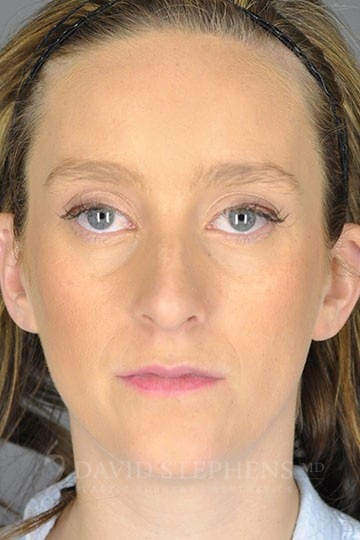
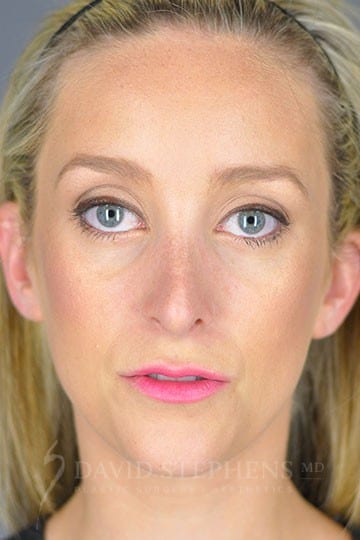
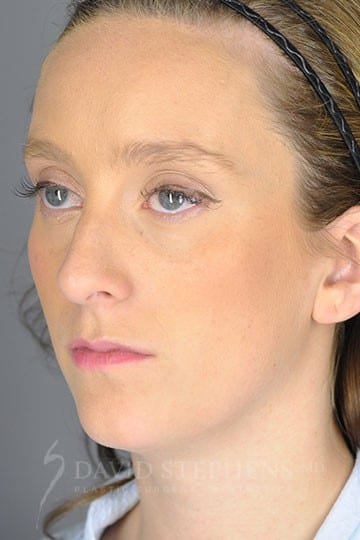
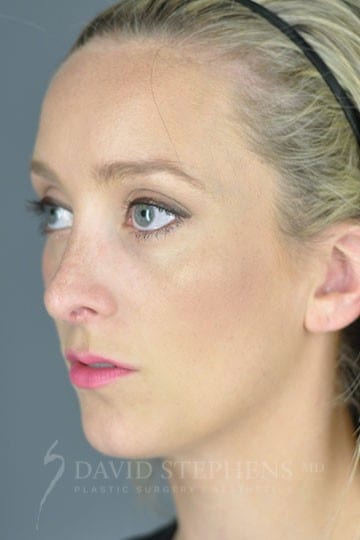
The Nose Is Important
Board Certified Plastic Surgeon
The nose is the keystone of the face. It is said that we sense the “character” of the individual on viewing their face within seconds, an immediate, intuitive, subconscious response. The size and shape of the nose are central to this emotion. We will even judge a stranger or new acquaintance based on how their nose looks. The nose reflects the person’s beauty, elegance, strength, wisdom, and intelligence; cuteness and coyness; sluggishness and slovenliness; and even deceit or dishonesty.
Every nose is unique. As an aesthetic surgeon with a strong interest in rhinoplasty, Dr. David Stephens’ goal is to execute a nuanced, beautiful result in keeping with the individual’s desired appearance. An aesthetic procedure of the nose can positively affect an individual’s sense of self, well-being, and social acceptance. Being the keystone of the face makes rhinoplasty one of the earliest performed procedures in cosmetic surgery and consistently one of the most requested facial surgeries for men.
Dedicated experience, careful observation, and improved technical knowledge have made nasal surgery more predictable for executing consistently. Nose surgery has been one of Dr. Stephens’ most gratifying and rewarding procedures, as it allows the individual a newfound sense of confidence and well-being.
Your Rhinoplasty Consultation and VECTRA® 3D Nose Imagery
During your consultation with Dr. Stephens, he will personally meet with you and listen to your concerns about your nose. He is interested in your desires and goals regarding the specific changes you wish to make. The shape of the nose is very personal for each individual, and every patient has an idea of the changes they want as well as the features they wish to retain.
There are possible ethnic considerations to consider in order to maintain desirable characteristics. There may be previous trauma or airway and breathing concerns, and an obvious visible deformity. Dr. Stephens will discuss your desired changes while setting realistic expectations.
Dr. Stephens and his patient care coordinator will ask you what your three major concerns with your nose are. Some questions you can ask yourself to determine this are the following:
- Is my nose too big?
- Is there a bump or hump I don’t like?
- Do I like the tip of my nose? Is it too wide or large? Too pointy? Plunging?
- Is the base of my nose too wide?
- Is my nose crooked?
- Do I like the bridge of my nose, or is it too big?
- Does my tip plunge when you smile?
- Does my nose tip lack definition? Is it too square or round, or even too pointy?
- Can I breathe easily? If not, where is the difficulty?
- How do I feel about the skin over my nose?
- Does my nose fit my face?
Dr. Stephens will review these concerns with you and then thoroughly assess your nasal structure on the outside as well as do an internal exam. You will have a VECTRA® 3D image taken of your nose. With this, you can review your desired changes with Dr. Stephens to further hone down your goals to make sure they are realistic and that you understand what your nose will look like after the procedure. These are reviewed again during your pre-op visit. At this point, Dr. Stephens will have a detailed operative plan for your nose surgery.
Rhinoplasty Surgery
Rhinoplasty corrects concerns, such as humps, bumps, the tip, twists, crooks, nasal shape, contours, structure, and size, in order to provide an attractive nose while often improving nasal breathing.
“I never rush surgery – It’s not about treating as many patients as possible in a day. I always take the time and focus needed to provide the best possible end result as well as a more comfortable recovery.”
Dr. Stephens
Techniques
There are closed and open techniques performed by rhinoplasty surgeons depending on the concern and degree of difficulty. The difference between the open and the closed rhinoplasty is an imperceptible incision in the columella (the strip of tissue between your nostrils) that is made inconspicuously for the technique. The benefit is the open sky view of the nasal structures and precision in the procedure.
As a resident, he was initially trained in the closed or endonasal rhinoplasty. In the past, rhinoplasty surgeons used these destructive techniques that were designed to make the nose smaller and more refined. But often these procedures were unpredictable, eventually leaving the nose distorted with an operated look. Sometimes these also resulted in a collapsed nasal airway and difficulty in breathing through the nose.
Open Technique
Dr. Stephens mostly performs open nose surgery because there is a reduced risk of revision surgeries and greater precision, subsequent predictability, and refinement.
Early in his career, after witnessing the open procedure while visiting the renowned rhinoplasty surgeon, Dr. Jack Gunter, a true artist and practitioner of the open technique in rhinoplasty surgery, and listening to the initial presentations about the open structural rhinoplasty, he began a journey of studying and refining open techniques in rhinoplasty, as many of his serious rhinoplasty surgery colleagues did.
The unparalleled exposure and diagnosis of nasal deformity and contours to be corrected utilizing the open technique cannot be equaled through endonasal procedures. Instead of a destructive procedure, the open structural rhinoplasty provides a strong, stable cartilaginous framework. Dr. Stephens performs closed, or endonasal, procedures using structural techniques that are not destructive in some straightforward cases, or for modest revision problems in a secondary surgery.
Piezotome
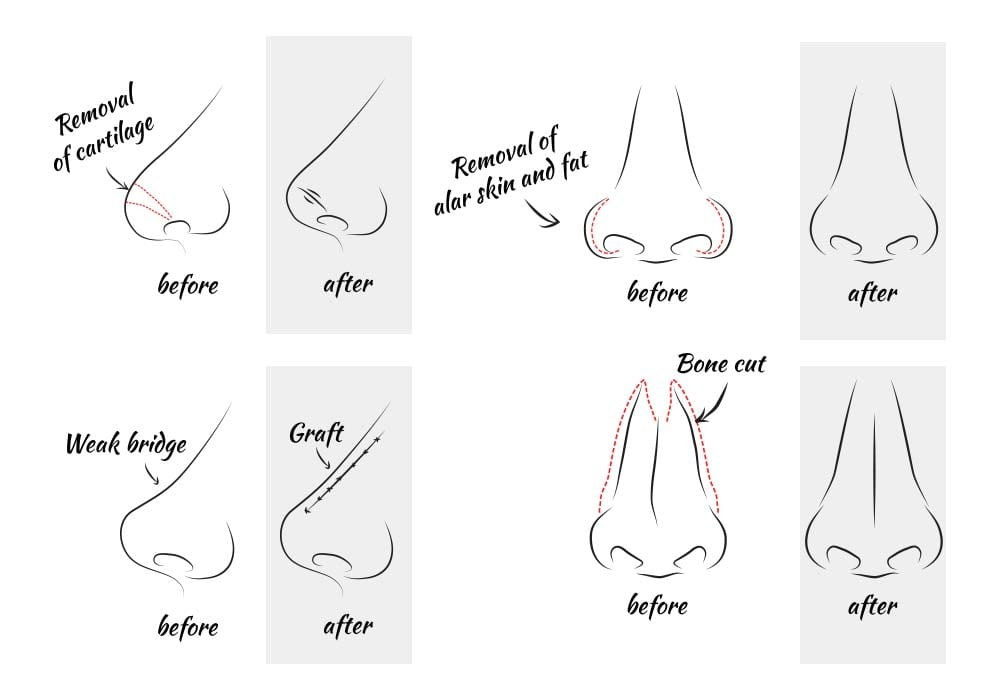
One of the most recent advances in cosmetic nose surgery is the Piezotome, which Dr. Stephens commonly uses to shape the bone of the bridge of the nose instead of using a rasp or chisel. The Piezotome is atraumatic to the tissue but shapes the bone so there is less bruising and swelling after the procedure.
What to Expect
Dr. Stephens performs all of his nose surgeries under a light general anesthetic to ensure your safety and comfort in his office, state-licensed, AAAASF-accredited ambulatory surgical center. Our in-house facility provides for your safety, comfort, privacy, and convenience during your surgery and post-surgery care.
The procedure length depends on the severity of corrections being made and whether this is a primary or secondary nose surgery. Most primary rhinoplasty surgeries take between three and four hours, and the secondary ones may be shorter or longer, depending on the complexity. Dr. Stephens will execute your procedure based on the specific goals and discussion during your consultation and pre-op visit, but he will never complete the procedure until he is totally satisfied with the expected result.
Your Recovery After Rhinoplasty
Following your nose surgery, you will have an external splint placed over your nose and a drip pad placed below your nostrils at the top of your lips. Typically, you are able to breathe a bit through your nose, as usually there is no nasal packing, unless there is work done on the turbinates or more significant work on the septum that requires internal splints.
You will need to sleep with your head in an elevated, reclined position in your bed. You may put ice over your eyes, but you need to avoid any pressure on your nose. There will be some discomfort, swelling, and bruising, but the pain is usually minimal. Most patients take TYLENOL® or, at worse, a few narcotic medications in the first day or two, but the pain generally subsides after this.
After 7–10 days, the splint is removed, the nose is cleaned, and the tiny sutures over the columella, the skin in the center of the nose between the nostrils, are removed. The nose may be re-taped for several days to weeks, depending on the degree of swelling.
Many patients can return to work after one week or so following their procedure, but there may still be some bruising around the eyes and mild swelling. Most bruises are gone in two to three weeks. There is typically some numbness in the nose, particularly in the tip, for a few months, but this will dissipate.
Quiet activities can resume immediately, but you should wait four to six weeks before resuming strenuous exercise, and avoid contact sports for three to six months (consider wearing a protective splint if you do these).
What Risks Are Involved?
Risks from the surgery, while rare, include postoperative bleeding requiring exploration to stop the bleeding, infection, prolonged swelling, septal hematoma, septal fistula, minor irregularities, skin changes or recurrent deformities, or septal deviation.
Revisions for postoperative contour problems are much less common with the structural techniques today than with the classic closed rhinoplasty techniques of the past, but they do sometimes occur. Our revision rate mainly applies to minor concerns and is not common, less than 5 percent.
It is important to stop smoking one to two months before and after the surgery, as this affects the skin circulation and causes catastrophic problems of healing and potential skin loss, requiring complex reconstructive surgery.
You will see changes in your nose immediately after the splint is first removed. It is an exciting unveiling experience! After the first month, the majority of the swelling should disappear, leaving the nose looking close to what it will look like later on. However, it typically takes six or more months, and sometimes even one to two years, before the final changes occur. It is like a picture that is gradually coming into focus as the nose undergoes a reduction in swelling and the refined features emerge.
Over the first month following your surgery, we ask that you avoid blowing your nose and using nasal decongestants that can impair healing. You may use a sterile nasal spray to irrigate your nose while you heal. Your breathing should be improved when the splints are removed, but it may take some time, several months or longer, before more improved breathing.
We like to see you throughout the first year or two following your procedure. Your initial appointments are usually weekly for one or two visits, and then monthly over the first three to six months, at which point we follow up with you at six months and a year.
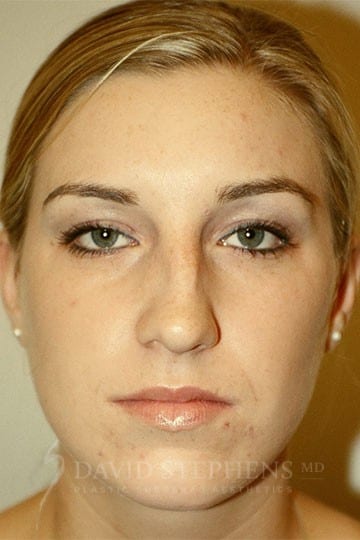
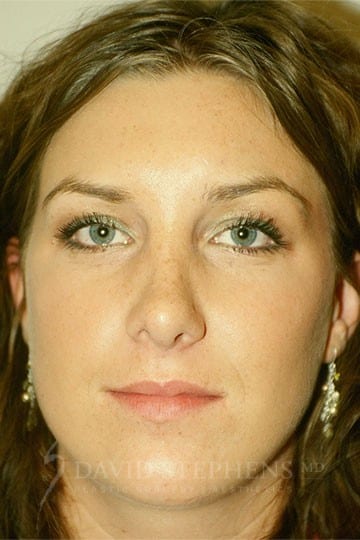
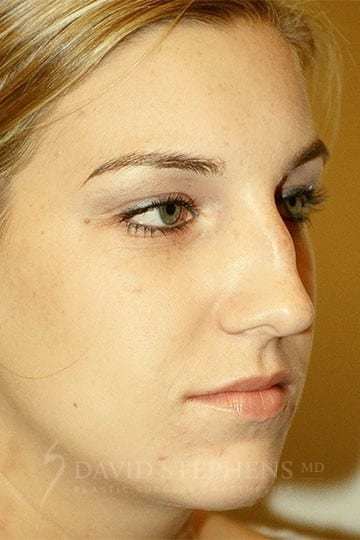
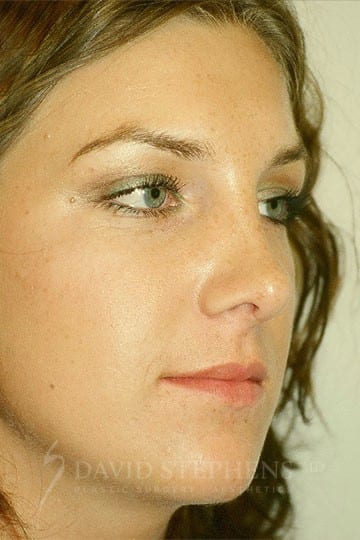
Secondary/Revision Rhinoplasty: What Is the Process?
Secondary, or revision, rhinoplasty is nose surgery that corrects problems that resulted from previous rhinoplasty surgery. Even the best rhinoplasty surgeons in the world have re-operations because it is a complex and difficult procedure. These may involve cosmetic imperfections or problems with breathing after a procedure, and may include serious and difficult issues to treat.
Why is secondary/revision rhinoplasty necessary?
The need for revision rhinoplasty may be the result of poor technique, unexpected healing difficulties, or an undiagnosed problem that is aggravated or unchanged from the initial surgery. Sometimes cartilage grafts may become dislodged, or the manipulation of the initial problem is inadequate. The patient may just want a small and subtle improvement.
Consequently, secondary rhinoplasty can be a simple correction but is often a more difficult procedure than primary nose surgery, as the cartilage and bone structures of the nose have been altered or may be missing and distorted. The dissection of the nose is more difficult due to the scarring of tissue, so a careful, meticulous dissection is required.
Choose your surgeon wisely
Donor cartilage has often been removed or may be distorted by scar tissue and needs reinforcing, requiring the harvest of cartilage from a remote site, such as the ears or ribs. Dr. Stephens may use cadaveric cartilage to reconstruct the underlying structure of your nose. Secondary rhinoplasty, therefore, usually requires more time. During your consultation, Dr. Stephens will consider a realistic approach and technique that avoids complications and improves the nose shape, contours, and breathing.
The more experienced the surgeon is in whatever technique they use, the more consistent the results, the lower the likelihood of severe complications, and the more predictable the revision procedure is. Dr. Stephens will make an assessment of the problem and plan accordingly.
It is important to note that the nose can be in a sub-optimal condition due to scarring and unforeseen issues, and the quality of alternative cartilage may be less than ideal. There is less control as the nose heals due to scarring and support issues. The key is to achieve the best cosmetic results and to improve breathing using structure and support.
Your secondary/revision rhinoplasty consultation
The initial consultation for secondary rhinoplasty is the same as in the primary rhinoplasty and includes discussing what bothers you about your nose. There is a careful internal and external exam of the nose and review of the previous operative record at the time of the consultation. There is a VECTRA® 3D imaging session and review to further discuss realistic goals and confirm your concerns.
Ethnic Rhinoplasty
Dr. Stephens chose to practice in the Northwest and enjoys seeing diverse patients from all over the world. Ethnic rhinoplasty refers to conducting nose surgery on patients from non-Caucasian origins, including African or African American, Asian, Indian, Middle Eastern, Persian, and Hispanic groups, as well as the subtle variants of mixed origins within all of these races and in Caucasian races.
As in any rhinoplasty, there are consistent goals of establishing a symmetric and natural beautiful nasal contour and shape. However, in ethnic rhinoplasty, a thorough understanding of the anatomic basis for nasal shape and experience in techniques for treating noses of different races is essential.
Understanding the different techniques when dealing with an Asian patient who may want a stronger dorsum and tip versus a Hispanic or sub-continental Indian or Persian individual who wants to reduce their hump, improve their plunging tip, or reduce the size of their nose requires knowledge, skill, and experience to identify the root causes and treatment of these concerns.
Dr. Stephens will ask about the three main things that bother you most about your nose (as noted above in primary rhinoplasty), then perform a thorough examination of your nose inside and out. Then he will discuss a treatment plan addressing the specific areas of your concerns. A VECTRA® 3D image is obtained and evaluated. Next, Dr. Stephens will discuss your realistic goals and any other considerations.
Ethnic rhinoplasty has undergone many advancements with various new and effective surgical strategies, as surgeons in the U.S. are seeing more and more patients from all areas of the world.
Dr. Stephens especially enjoys the challenges in providing excellent results for all of his rhinoplasty patients and the successful outcomes. Dr. Stephens sees a large number of ethnic rhinoplasty patients in his practice.
Rhinoplasty Frequently Asked Questions
-
Who is an ideal candidate for rhinoplasty?Patients who are in good health, whose noses have finished growing, and who are unhappy with their current nose structure can be great candidates for nasal surgery. Schedule a consultation with Dr. Stephens to discuss your concerns further and see if you are an ideal candidate for rhinoplasty.
-
How old do I need to be to get nose surgery?As long as you have finished growing, your age does not make a huge difference in whether the procedure is right for you. Patients with realistic expectations for their results can be ideal candidates for this procedure. You can discuss your concerns during your consultation with Dr. Stephens.
-
When will I see my results?As swelling reduces, your results will become more evident. It typically takes a week for swelling to subside, and your nose should continue to heal over the following months. It can take up to a year or two for the final results to become permanent, so remain patient when awaiting the final outcome; your results will continue to improve.
-
How long do the results last?Once your nose has completely settled, your results should be permanent, barring any future accidents or incidents that may render your nose misshapen.
Take the guesswork out of Plastic Surgery
We are extremely pleased to feature the Vectra XT 3D system in our patient consultations. The results are spectacular and our patients are consistently amazed by the realism of the image!
Patient Testimonials
Dr. Stephens work is absolutely phenomenal. You will not find a better doctor on this side of the Mississippi. He has won multiple awards for a reason. I consider myself so blessed and so fortunate to have had my procedure done by Dr. Stephens.
I always tell people this is the best money I’ve ever spent. I couldn’t be more pleased! I always say picking the best doctor is the most important decision you will ever make, and there’s no one out there better than Dr. David Stephens.
Dr. Stephens took great care in determining what would be done, setting my expectations, and explaining the process. The nurse was kind, helpful, and attentive. The anesthesiologist was wonderful. The whole process was very smooth and painless.
The overall experience was amazing. There was a great amount of communication between the practice and myself leading up to the surgery and the entire surgical staff was an absolute pleasure. You feel comfortable from start to finish.