
Breast Reduction
Bliss is feeling good about yourself and your body. Breast reduction surgery is a procedure that provides much-needed relief to women with breasts that are uncomfortable and hindering due to their size. While some women seek breast augmentation surgery to achieve larger, fuller breasts, women with overly large breasts may choose breast reduction at Stephens Plastic Surgery as a way to reduce physical pain that results from carrying around extra weight on their chest and to boost their confidence in their appearance.
- What Is Breast Reduction Surgery?
- What Are the Benefits of a Breast Reduction?
- What Are My Breast Reduction Options?
- How Is Breast Reduction Surgery Performed?
- What Is Breast Reduction Recovery Like?
- How much does breast reduction cost?
- What Are Some Frequently Asked Questions About Breast Reduction?
What Is Breast Reduction Surgery?
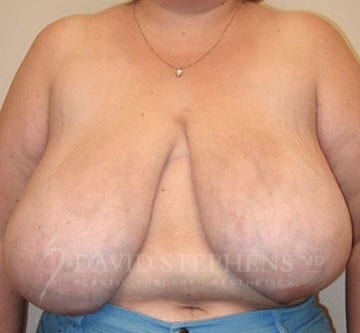
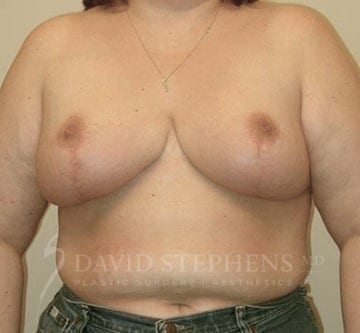
Breast reduction, or reduction mammaplasty, is a surgical procedure designed to remove fat, glandular tissue, and excess skin from your breasts. A breast reduction can eliminate issues caused by heavy breasts, including chronic back and neck pain. It also addresses aesthetic concerns such as breast asymmetry or the appearance of being “top-heavy” that affect many women with overly large breasts.
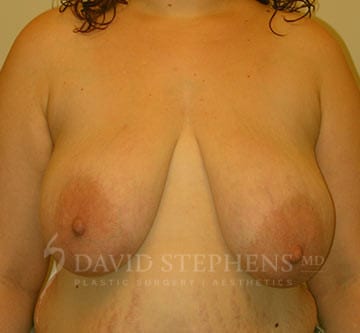
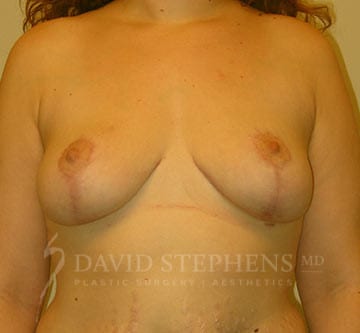
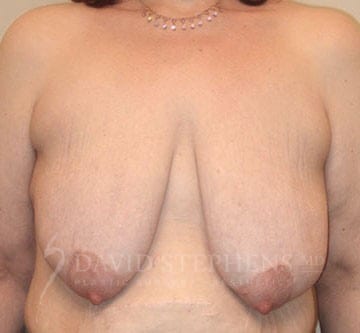
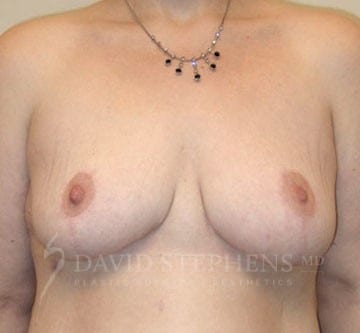
What Are the Benefits of a Breast Reduction?
Smaller, More Youthful-Looking Breasts
While many women wish for larger breasts, those who have them naturally often feel burdened—both physically and mentally—by them. Additionally, the effects of time and gravity tend to show themselves sooner on heavier breasts, leaving you with stretched-out skin and a droopy bust. Breast reduction surgery can give you smaller breasts that are more proportional to your body and lift them back into a more youthful position on your chest.
Pain Relief
Large, heavy breasts can cause you pain, whether it’s back, neck, or shoulder pain from the extra weight, grooves etched in your shoulders from your bra straps, or chronic rashes caused by heat or chafing. Breast reduction can take the weight off your shoulders, literally and figuratively.
Increased Confidence
Many women who have naturally large breasts struggle with finding clothes that fit properly or offer enough coverage so they don’t feel self-conscious about their appearance. They may dress to hide their breasts or get frustrated that their chest gives the impression that they’re overweight. Breast reduction can alleviate these issues, improving your quality of life.
Ability to Participate in Activities
It can be hard to find a sports bra that fits and supports large breasts, making exercise challenging. Large breasts can also make it difficult or uncomfortable to do certain activities because of discomfort or reduced range of motion. Breast reduction offers a way to participate in a wider variety of activities without pain or restrictions.
What Are My Breast Reduction Options?
Breast reduction is typically performed using one of two incision types.
The technique used will be determined by the amount of correction you need to achieve your desired results. Dr. Stephens will determine which method will be most beneficial to you according to your unique anatomy and requirements.
Lollipop Breast Reduction
A lollipop breast reduction, also called a vertical breast reduction, is for women who want a moderate decrease in size and have more severe sagging. The lollipop technique uses two incisions: one around the outside of the areola and one that extends vertically from the bottom of the areola to the breast crease. This incision allows for the removal of glandular tissue and fat, reshaping the breast, eliminating excess skin, and lifting the breasts to a more elevated position on your chest.
Anchor Breast Reduction
An anchor breast reduction, also known as an inverted-T reduction, is used for women who want a more substantial amount of breast tissue removed, have severe ptosis (sagging), or require more significant asymmetry correction. An anchor reduction uses the same incisions as a lollipop reduction, with the addition of another incision that runs horizontally along the breast crease. Anchor incisions allow for maximum correction, as well as for lifting and sculpting of your newly smaller breasts.
“I never rush surgery – It’s not about treating as many patients as possible in a day. I always take the time and focus needed to provide the best possible end result as well as a more comfortable recovery.”
Dr. Stephens
How Is Breast Reduction Surgery Performed?
When you come in for your initial breast reduction consultation, Dr. Stephens will review your medical history and perform a physical evaluation to determine if you are a candidate for breast reduction surgery.
If he confirms that you are a candidate, he will address any concerns you may have and create a personalized surgical plan, including which specific surgical techniques he will use to provide you with your desired results.
Breast reduction is an outpatient surgery performed using general anesthesia. During your procedure, Dr. Stephens will reduce your breast size by removing fatty tissue, excess skin, and glandular tissue and reshaping your breast into a more pleasing shape. Removing this excess weight can help breasts become firmer and reduce sagging. The nipple may also be raised or relocated during the procedure to ensure it is centered on your now smaller breasts.
Once your surgery is completed, Dr. Stephens will apply dressings and tape over the incisions.
What Is Breast Reduction Recovery Like?
Following your breast reduction surgery, you will need to spend the first week resting and limiting your activities.
You will experience bruising, swelling, and discomfort, but these are normal side effects and will fade with time. Over-the-counter or prescription pain medication will help alleviate any discomfort during your recovery.
Dr. Stephens will remove your sutures one week after your surgery, and most breast reduction patients can return to work in two weeks. However, we recommend patients wait three to four weeks before resuming light exercise and up to six weeks for more strenuous activities.

How much does breast reduction cost?
The cost of your breast reduction will depend on the amount of correction needed and whether or not other procedures are being performed in combination. During your consultation, you will receive an estimated financial plan based on your needs.
What Are Some Frequently Asked Questions About Breast Reduction?
-
Am I a candidate for breast reduction surgery?You may be a good candidate for breast reduction surgery if you are unhappy with the appearance of your large breasts or experience chronic pain and discomfort. Generally, breast reduction patients are at or near their ideal weight, do not smoke, and have realistic expectations of their results. A consultation with Dr. Stephens will determine if breast reduction is right for you.
-
How much does breast reduction cost?The cost of your breast reduction will depend on the amount of correction needed and whether or not other procedures are being performed in combination. During your consultation, you will receive an estimated financial plan based on your needs.
-
Are breast reductions covered by insurance?If you are undergoing a breast reduction for purely aesthetic reasons, it is not covered by insurance. However, if the procedure is deemed “medically necessary” due to chronic pain or health issues, some or all of your breast reduction surgery may be covered.
Check with your insurance provider to find out if your breast reduction is covered and what documentation may be necessary to take advantage of your benefits.
-
What other procedures can be combined with breast reduction surgery?Many women interested in breast reduction surgery may also wish to improve other areas of their bodies. Procedures often performed in combination with breast reduction include a breast lift, tummy tuck, traditional liposuction, or Smartlipo™.
-
Can I breastfeed after breast reduction?While it is often possible to breastfeed after breast reduction surgery, it is not guaranteed. Depending on the incisions used and the degree of correction, nerves and milk ducts may be affected. Additionally, pregnancy and breastfeeding after a breast reduction can affect your results, so we typically recommend that patients are finished having children before they undergo breast reduction surgery.
-
What are the risks of breast reduction surgery?When performed by a board-certified plastic surgeon, breast reduction surgery is a generally safe procedure. However, like any surgery, there are risks. Some of the potential complications include:
- Bleeding
- Fluid buildup
- Infection
- Poor wound healing
- Scarring
- Breast asymmetry
- Changes in breast or nipple sensitivity
If you experience these or other concerning symptoms, please contact our office immediately.
Have more questions?
Call our office at (425) 455-0444 to schedule a consultation with Dr. Stephens.
Patient Testimonials
Dr. Stephens work is absolutely phenomenal. You will not find a better doctor on this side of the Mississippi. He has won multiple awards for a reason. I consider myself so blessed and so fortunate to have had my procedure done by Dr. Stephens.
I always tell people this is the best money I’ve ever spent. I couldn’t be more pleased! I always say picking the best doctor is the most important decision you will ever make, and there’s no one out there better than Dr. David Stephens.
Dr. Stephens took great care in determining what would be done, setting my expectations, and explaining the process. The nurse was kind, helpful, and attentive. The anesthesiologist was wonderful. The whole process was very smooth and painless.
The overall experience was amazing. There was a great amount of communication between the practice and myself leading up to the surgery and the entire surgical staff was an absolute pleasure. You feel comfortable from start to finish.